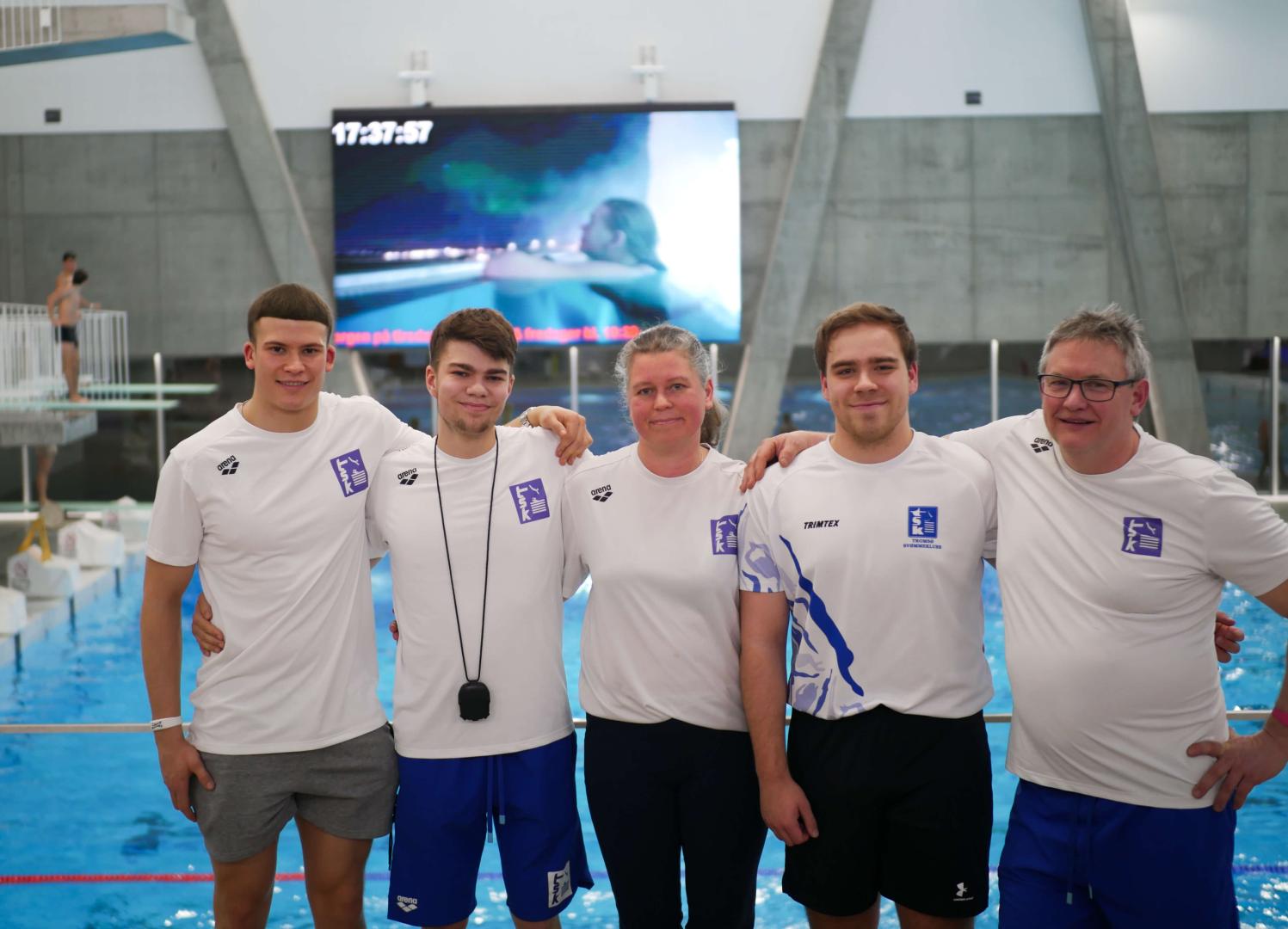
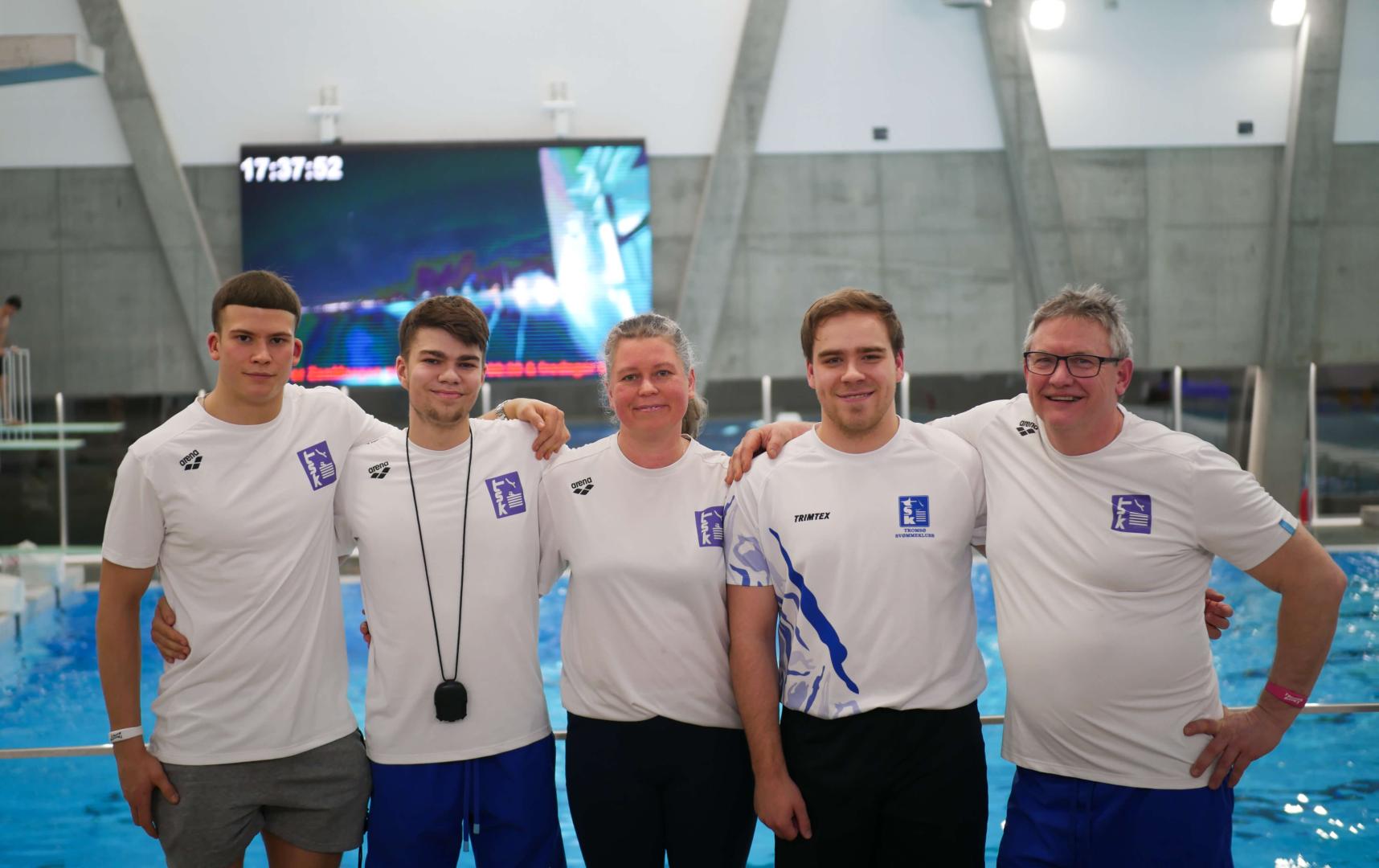
Working together with Tromsø Swimming Club
At Tromsøbadet, the journey begins with positive experiences in the water: from children’s first achievements at swimming school to intensive training by Northern Norway’s leading athletes with Olympic ambitions.
Cooperation between Tromsøbadet and Tromsø Swimming Club (TSK) has made the facility an important regional centre for sport and swimming skills.
A foundation of confidence and achievement
Our role as a public swimming facility extends beyond recreation to essential swimming skills. TSK’s swimming school brings children into the pools every day to build confidence in the water.
This is the foundation of a regional development pathway, from the first uncertain strokes to the focused training of future competitive swimmers.
Active children
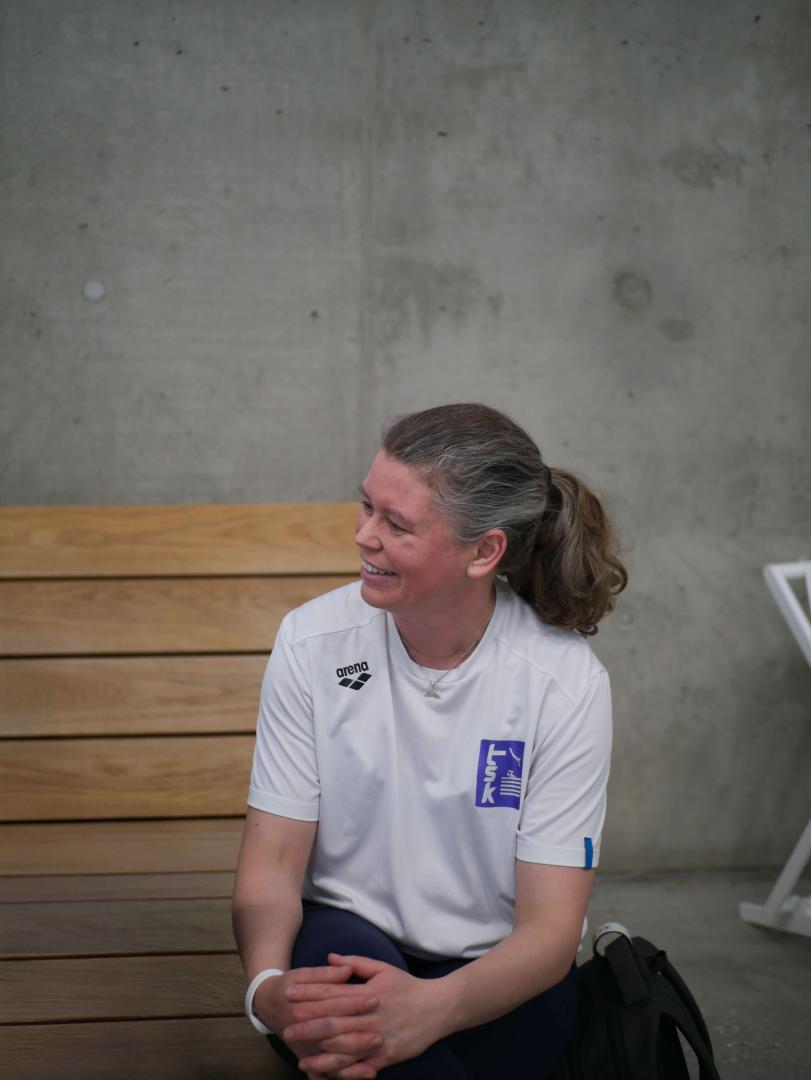
Karin Eilertsen, who leads TSK’s swimming school, works closely with the club and Tromsøbadet to provide good conditions for children and young people to develop confidence in the water.
“We have excellent pools suited to different skill levels. Children often start at around five and progress through diving, floating, gliding and propulsion. We also have groups for young people building water confidence and adapted groups for children with disabilities,” Eilertsen explained. (Translated from Norwegian.)
In 2025, the swimming school had approximately 350 participants, with an average of around 280 children each week. For comparison, Borgtun school has about 233 pupils.
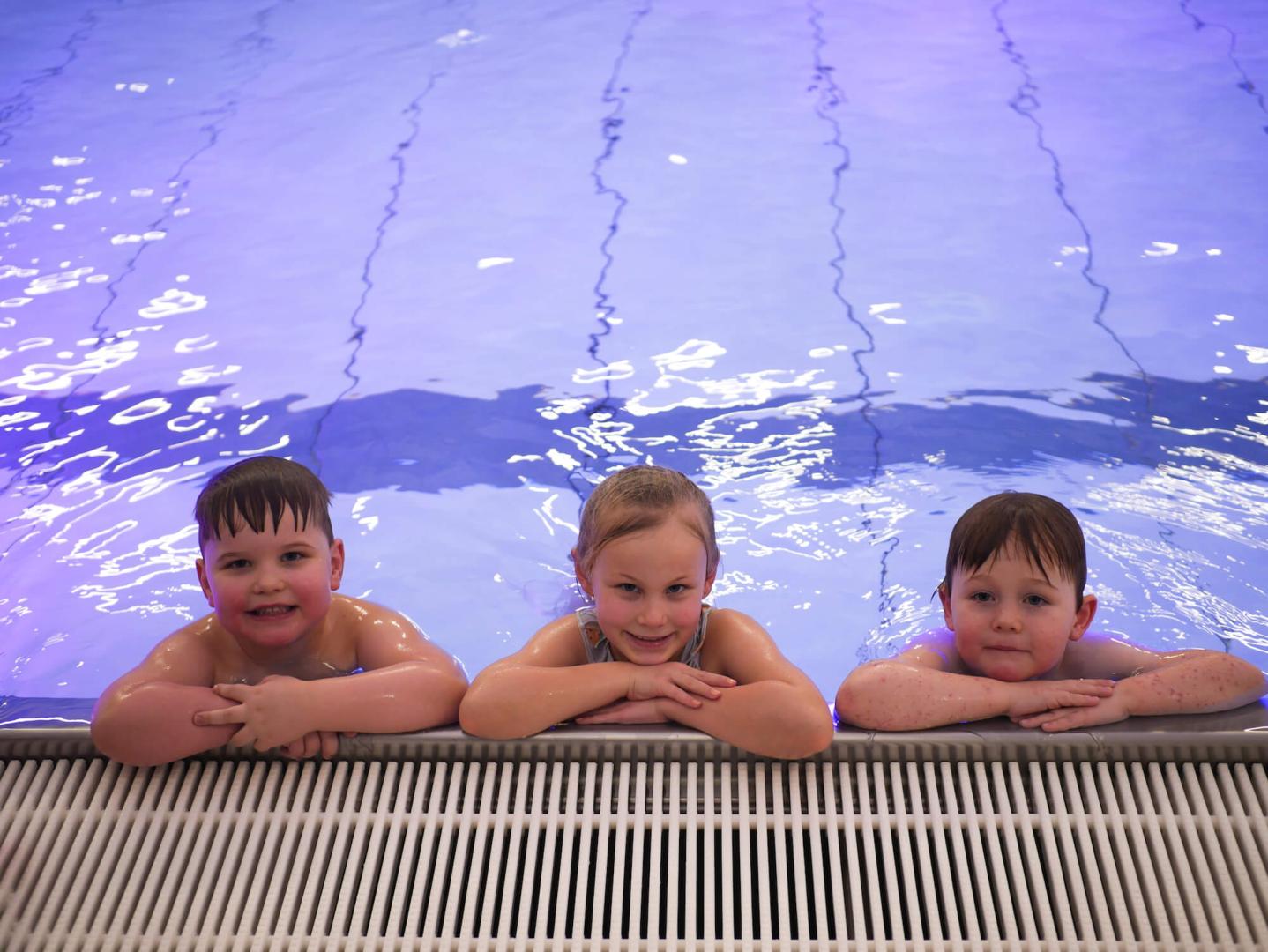
The swimming school is part of TSK. Many participants later join training groups and become active competitive swimmers.
“Tromsøbadet is the best place we could have. It is unique in Northern Norway and brings together athletes from across the region. In autumn 2025, Olympic swimmers joined us for training during a regional camp. Athletes really value this meeting place,” Eilertsen said. (Translated from Norwegian.)
50,000 metres a week
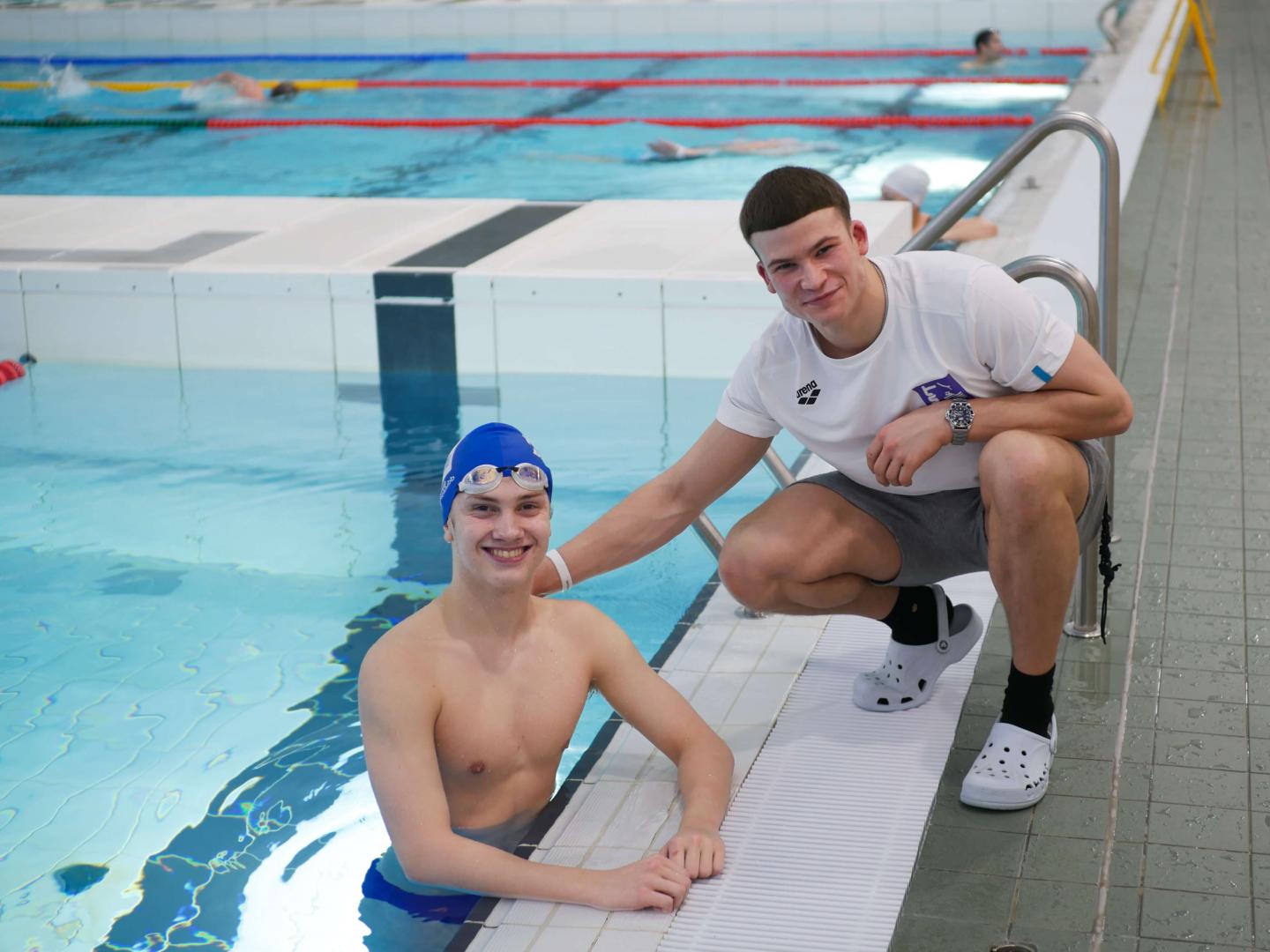
Gustav Kvaal Bergland is one of the swimmers who progressed from swimming school to committed competitive training.
“We put in a lot of work, usually with two sessions a day. I train for 22–23 hours a week and swim between 40,000 and 50,000 metres,” Bergland explained. (Translated from Norwegian.)
Together with coach Andreas Dyb, he is planning for the future, with the 2032 Summer Olympics as a major goal.
“Reaching that level requires a great deal of work. Our swimmers get up at 05:00 on weekdays to train before school, then return in the afternoon,” Dyb said. (Translated from Norwegian.)
One shared swimming community
The different training areas are connected rather than separated by artificial barriers. A curious five-year-old and a committed sixteen-year-old share the same environment. This reflects the partnership’s philosophy: developing swimmers while building an inclusive sporting community and positive experiences in the water, whatever each person’s ambitions.